


Red light therapy has emerged as a gentle yet powerful tool for enhancing well-being. Using low-level wavelengths of red and near-infrared light, this non-invasive treatment stimulates cellular function to promote healing, reduce inflammation, and rejuvenate the body. Its roots trace back to NASA’s experiments in the 1990s, where scientists discovered that red light could speed up wound healing in astronauts. Today, this therapy is celebrated in wellness circles for its versatility, from improving skin health to easing chronic pain. The art of red light therapy lies in its ability to work quietly within the body, coaxing cells to repair and thrive without harsh interventions.
The science behind red light therapy is both simple and profound. By penetrating the skin, red light energizes mitochondria, the “powerhouses” of cells, boosting adenosine triphosphate (ATP) production. This extra energy helps cells repair damage, reduce inflammation, and promote collagen growth. For those seeking top-tier equipment to harness these benefits, the best red light therapy bed by Helios, offers a full-body experience that maximizes therapeutic impact. Whether used in a clinic or at home, this therapy is gaining traction for its ability to address a wide range of health concerns with minimal risk.
How Red Light Therapy Enhances Wellness
The benefits of red light therapy extend far beyond skin-deep results. Research shows it can improve various aspects of health, making it a favorite among wellness enthusiasts. Here are some key ways it supports well-being:
- Skin rejuvenation: Red light stimulates collagen production, reducing wrinkles, scars, and acne while improving skin texture.
- Pain relief: It eases inflammation, helping with conditions like arthritis, muscle soreness, and joint pain.
- Hair growth: Studies suggest it can promote hair regrowth for those with androgenic alopecia.
- Mental health: Emerging research indicates potential benefits for reducing symptoms of depression and anxiety by influencing serotonin production.
- Wound healing: It accelerates tissue repair, making it useful for post-surgical recovery or injury rehabilitation.
“It’s like giving your cells a warm hug,” says Dr. Jared Jagdeo, a photomedicine expert. This poetic description captures the therapy’s gentle approach. Unlike harsh treatments like chemical peels, red light therapy works harmoniously with the body’s natural processes, offering a soothing path to healing.
Why Red Light Therapy Feels Like an Art
Using red light therapy is as much about intention as it is about science. The process invites mindfulness, as users dedicate time to bask in the warm, red glow. Many pair their sessions with meditation or deep breathing, turning a clinical treatment into a ritual of self-care. The soft hum of a therapy device and the calming warmth create a serene environment, encouraging relaxation. This blend of technology and tranquility elevates red light therapy to an art form, where science meets soul.
Consistency is key to unlocking the therapy’s full potential. Experts recommend sessions of 10 to 20 minutes, three to five times a week, depending on the condition being treated. For instance, a study on psoriasis patients showed significant improvement after 20-minute sessions twice weekly for four to five weeks. Whether you’re targeting acne or chronic pain, sticking to a routine ensures lasting results. Over time, the subtle glow of red light can transform both body and mind.
At-Home vs. Professional Treatments
Red light therapy is accessible in various forms, from handheld devices to full-body beds. At-home devices offer convenience and cost savings, allowing users to integrate therapy into daily routines. However, professional treatments, often using more powerful equipment, may deliver faster results. Dermatologists and wellness clinics frequently combine red light therapy with other treatments, like HydraFacials, for enhanced effects. When choosing a device, opt for FDA-approved models with wavelengths between 600 and 900 nanometers for optimal results.
Safety is a cornerstone of red light therapy’s appeal. Unlike ultraviolet light, red light doesn’t damage the skin or increase cancer risk. Side effects are rare, though individuals with darker skin tones should monitor for potential hyperpigmentation. Protective eyewear is advised to shield the eyes from bright light. Consulting a healthcare provider before starting ensures the therapy aligns with your wellness goals.
READ ALSO: How Spas In South Korea Are Becoming Immersive Wellness Spaces
Embracing the Glow
The art of red light therapy lies in its ability to blend science with serenity. It’s not just about healing wounds or smoothing wrinkles; it’s about creating moments of calm in a busy world. As Dr. Praveen Arany notes, “Light treatments stimulate cellular repair in a way that feels almost magical.” Whether you’re recovering from an injury or seeking radiant skin, red light therapy offers a gentle, effective path to wellness. By embracing this glowing practice, you’re not just nurturing your body—you’re crafting a brighter, healthier version of yourself.
Ready to try red light therapy? Start with a clear goal, whether it’s pain relief or skin rejuvenation. Choose a reliable device, like a top-tier red light therapy bed, and commit to a consistent routine. With each session, you’ll feel the warmth of possibility, as light works its quiet magic on your cells. Let the glow guide you to a renewed sense of vitality.







 What exactly does the word modern art actually mean? I’m imagining to the majority of people it means art that’s popular at this time, correct? However, as historians and many others understand modern artwork is a design that originated more than a hundred and fifty-five decades back. Doesn’t seem so contemporary today, does it? But let us get a profound understanding and learn more about the joys of the contemporary art movement.

 Being an artist does not really require a lot of things. The most important is your creativity. Why? Because if you are creative enough, you can make use of anything available to make an art.



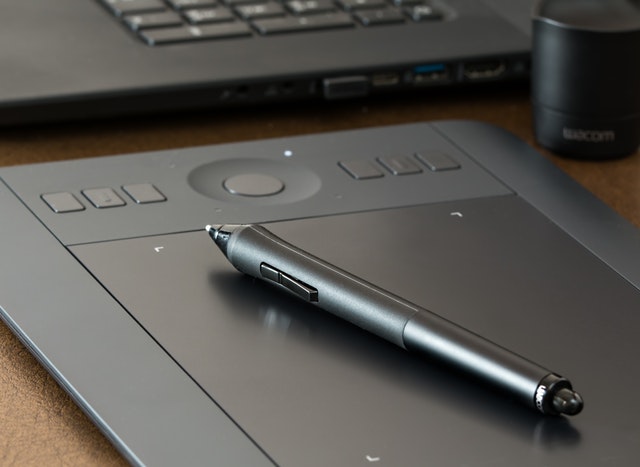 Digital art is a general term for any artwork which uses digital technologies as an important part of the procedure. Since the 1970s, many names are used to refer to an art, such as multimedia artwork and computer artwork, and the artwork itself is put under the umbrella period of the media artwork.
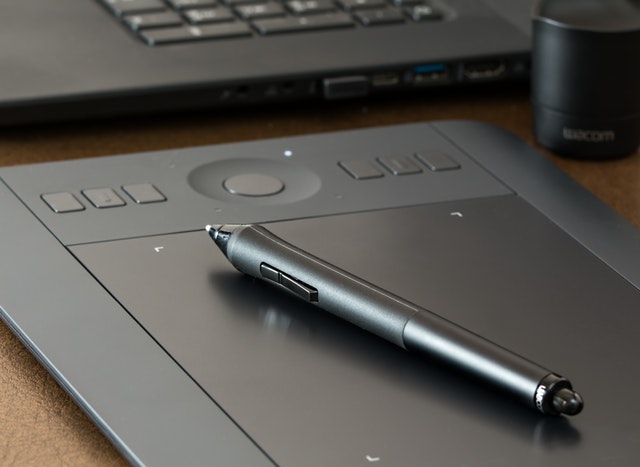 Digital is understood to anything that might be represented by numbers and to data. Therefore, strictly speaking, it is interchangeable with “numerical”.
 Architecture and civil engineering shape the visual vocabulary of creative media. Wide highways cutting through cityscapes can symbolize movement and change, while bridges often convey connection or transition. Urban planners may see these structures as purely functional, but for artists, they tell a story about society, economy, and human ambition.
 Nursing shoes are built for comfort and support, not style. Most come in plain white or black, which makes sense in a medical setting, but it doesn’t leave much room for personality. If you’ve ever wished your work shoes could be a little more “you,” the good news is they can be. With a few supplies and some creativity, you can turn your nursing
